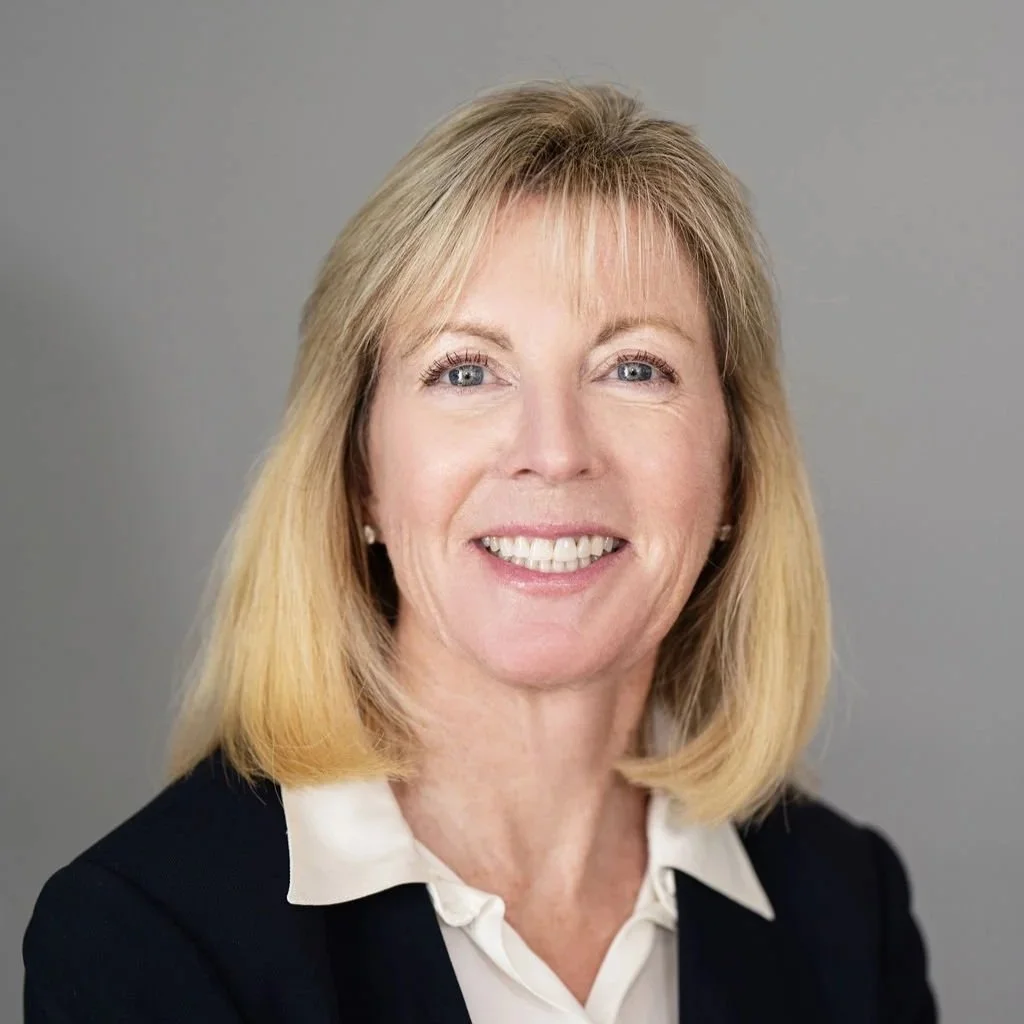
MICHELE GRUBBS:
Connecting Today’s Maritime Industry With Its Next Generation
Michele Grubbs brings a unique perspective to her leadership roles as Secretary of the Containerization & Intermodal Institute and Vice President of the Pacific Merchant Shipping Association (PMSA). While Michele originally did not plan to enter into the maritime industry, her (x) years of experience in the aerospace industry allowed her to get a head start in understanding and executing public policy, industry advocacy and collaboration. This put her in a unique position to understand and address the critical challenges facing the maritime industry, while creating opportunities for the next generation.
From Aerospace to Maritime
Starting her career in the aerospace industry back in (19XX) and conducting work in Southern California, Washington DC, and Europe, Michele helped drive critical public policies that impacted airports, airlines, unions and capital intensive investments globally. This domain knowledge gave her a competitive edge when she decided it was time to move in a different direction.
With continuous travel and transfers, a desire to remain in Southern California and to spend more time with her growing family, Michele sought a change. Living near the Port of Long Beach, she found that change right in her backyard with the PMSA, which is an independent trade association that represents marine terminal operators and ocean carriers operating in both the Port of Long Beach and the Port of Los Angeles, as well as other ports along the U.S. West Coast. Reflecting on her interview for her first role at the PMSA, Michele was quickly able to draw from her experience in the aviation industry and connect it to the challenges the maritime industry faces.
“What I remember from the interview with my then-future boss was saying that, if you look at both aerospace and maritime, there are a lot of similarities. Both industries require significant capital investment and have a global impact. Whether you’re talking about a $150 million plane or ship, or working with a unionized workforce, they’re both highly capital-intensive industries. That was how I made the case for why I understood both the similarities and the differences.”
With Michele successfully transitioning from the aerospace industry to maritime, her career now centers on public policy, advocacy and building relationships among industry stakeholders. Those experiences have shaped a collaborative leadership style focused on bringing the right people together to solve complex regulatory and legislative challenges.
“I think my leadership style is collaborative,” Michele says, emphasizing the importance of gathering the right people rather than believing a leader needs to have every answer.
That approach proved particularly valuable during the COVID-19 pandemic. Michele worked with a team led by the Pacific Maritime Association to redesign Southern California’s vessel queuing system. In approximately three weeks, the effort helped address a backlog of roughly 109 ships by changing vessel incentives and improving the flow of traffic.
Mentorship has also played an important role in Michele’s career. Among those who influenced her was John McLauren, a former president of PMSA, who encouraged her to take on challenges outside her comfort zone. Michele credits collaboration, integrity and relationship building as some of the qualities that have helped shape her professional approach.
Preparing the Industry for What Comes Next
As Secretary of CII and a leader at PMSA, Michele sees workforce development as one of the industry's most important priorities.
The maritime industry is experiencing rapid technological change while many experienced workers are approaching retirement. She believes younger professionals can play an important role in that transition, particularly because of their comfort with new technology and willingness to question established processes.
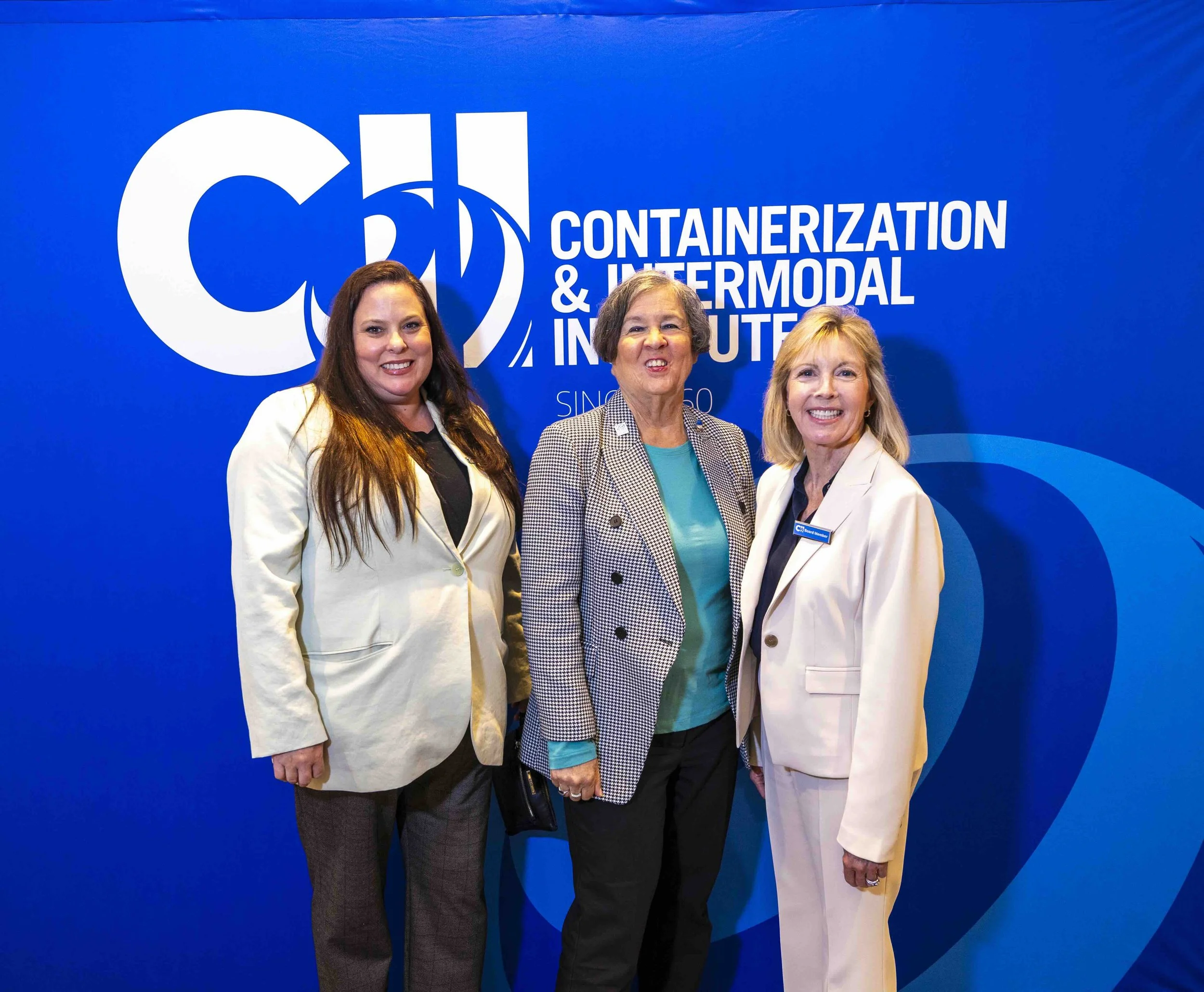
“This generation will come in with an advantage,” she says. “They’re going to come without fearing technology.”
But technology is only part of the equation. Michele emphasizes that new professionals must also build relationships with experienced industry members and learn from the knowledge accumulated across generations.
“Every generation needs to pass on its information, wisdom and experience to the next generation coming in,” says Michele.
She also wants prospective employees to understand the breadth of career opportunities available throughout maritime and supply chain operations. Engineering, maintenance, cybersecurity, marketing, environmental policy and public affairs are just some of the paths available.
Creating Opportunities Through CII
Michele’s involvement with CII reflects that same commitment to developing the next generation. She was attracted to the organization because it brings supply chain leaders together from across the country, allowing professionals with different experiences and perspectives to collaborate toward common goals.
CII’s emphasis on education, scholarships and networking also aligns closely with Grubbs’ belief that established industry leaders have a responsibility to help create opportunities for those coming next.
“I feel like all of us have the responsibility to open up and help the next generation come in,” she says.
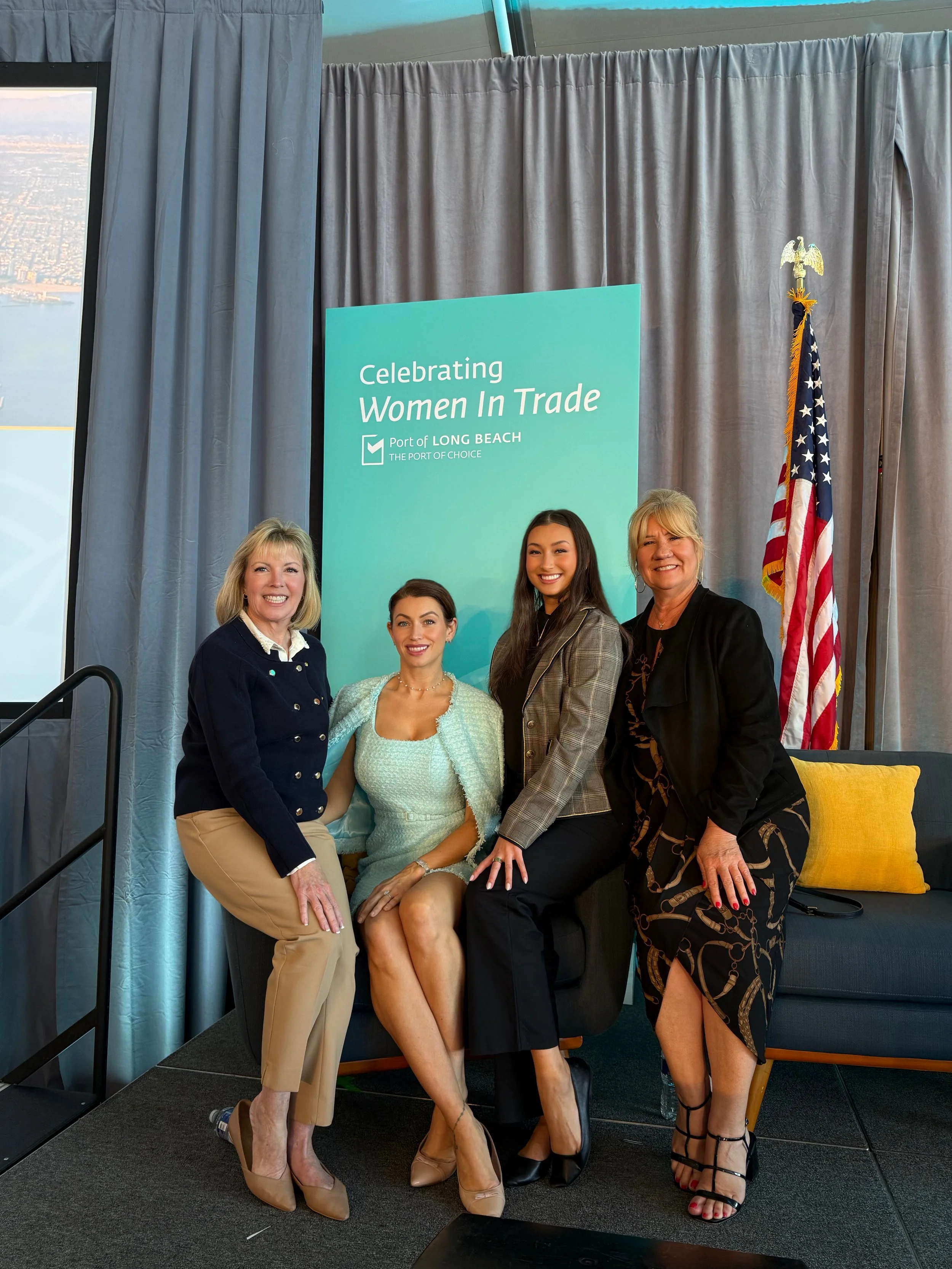
That commitment extends beyond CII. For more than a decade, Michele has participated in a steering committee for an annual Port of Long Beach luncheon that introduces approximately 250 to 350 high school girls to female executives from across the maritime industry. The event highlights career paths ranging from engineering and cybersecurity to marketing, environmental policy and ocean transportation.
For Michele, the event provides an opportunity to show students that maritime offers far more career possibilities than they may realize. It also gives young women the opportunity to hear directly from professionals who have built careers across different areas of the industry.
Looking Ahead
Michele believes the industry's future will depend on successfully combining technological innovation with the knowledge, experience and relationships built by previous generations.
For those entering the industry, her advice is straightforward: remain curious, listen more than you speak, build relationships and focus on finding ways to get things done.
That philosophy reflects Michele's own career journey, from aerospace to maritime, from public policy to industry leadership, and now through her dual roles with PMSA and CII.
Through both organizations, she continues to connect industry leaders, advocate for the maritime sector and help ensure that the next generation has the knowledge, opportunities and relationships needed to carry the industry forward.